Táto séria sa ponorí do kľúčových období formovania moderného sveta, so zameraním na transformatívne sily, ktoré pretvorili spoločnosť. Skúma revolučné zmeny, ako je priemyselná a politická revolúcia, a ich hlboký dopad na každodenný život, technológie a ideológie. Čitatelia sa dozvedia o vzostupe nových tried, vzniku moderných vied a šírení myšlienok po celom svete. Je to nepostrádateľný sprievodca pre pochopenie koreňov našej súčasnej globálnej krajiny.
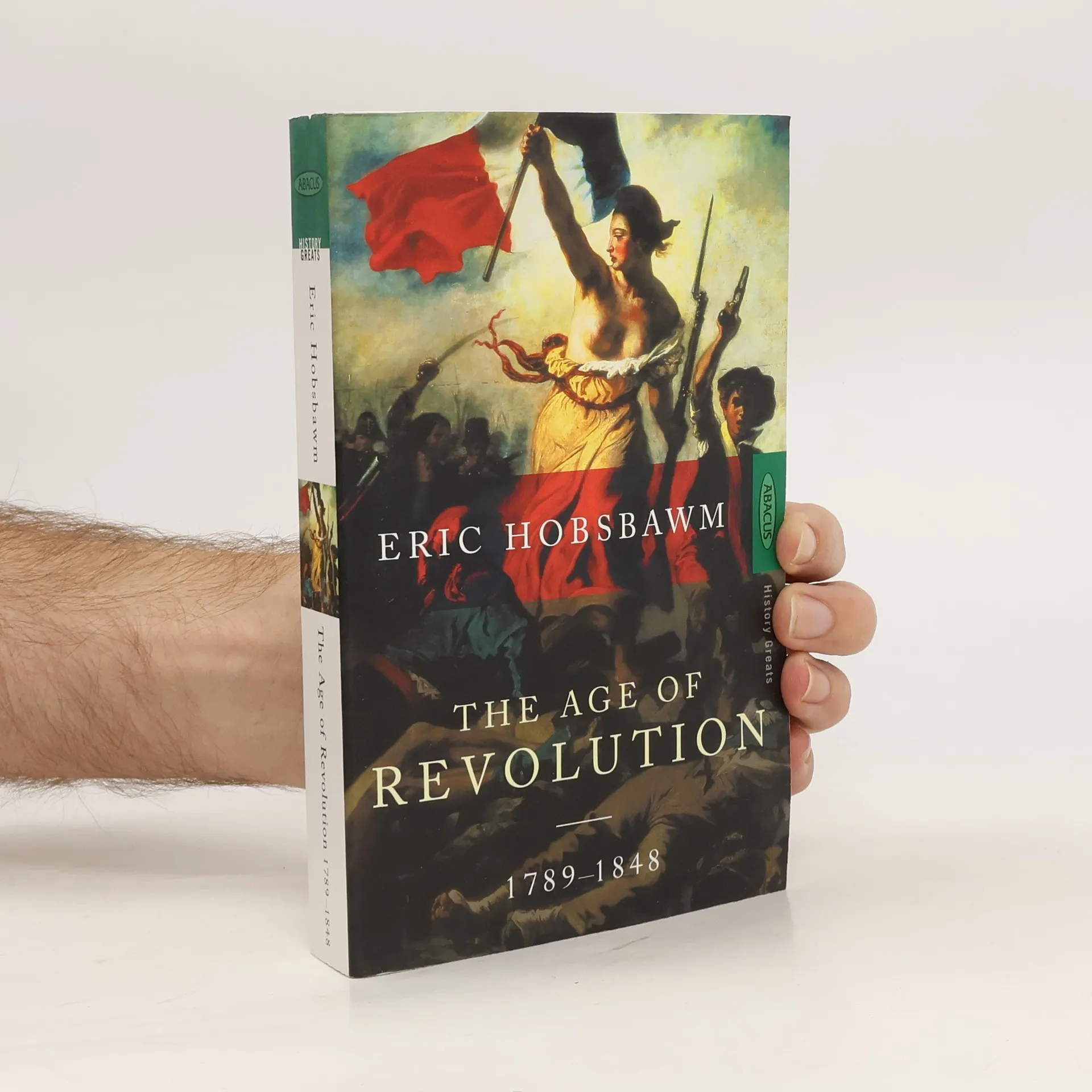
Between 1789 and 1848 the world was transformed by both the French Revolution and also by the Industrial Revolution that originated in Britain. This "Dual Revolution" created the modern world as we know it. The book traces the transformation in European life during this period.
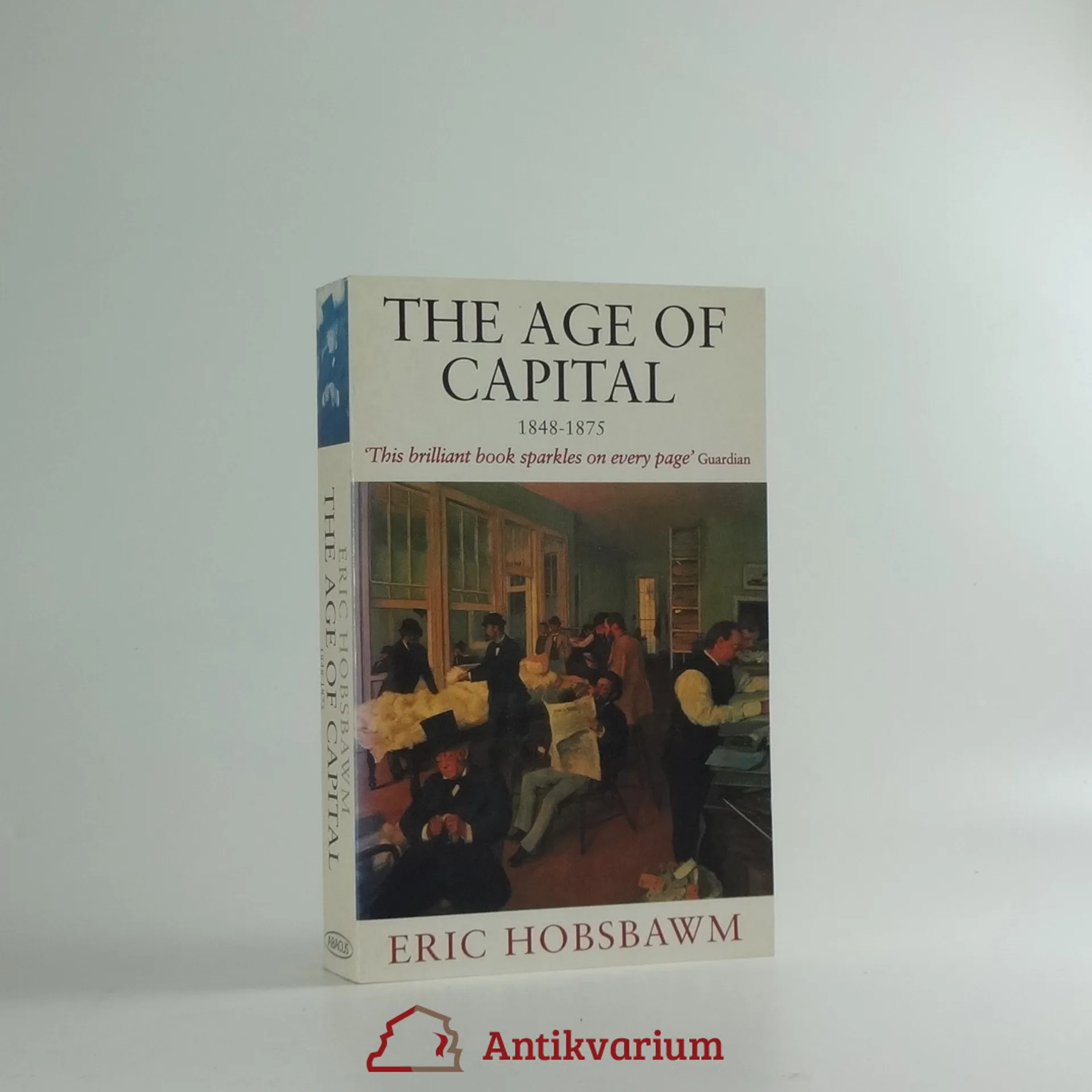
A major treatment of the crucial years 1848-1875 - a penetrating analysis of the rise of capitalism throught the world. In the 1860s a new word entered the economic and political vocabulary of the world: "capitalism". The global triumph of capitalism is the major theme of history in the decades after 1848. It was the triumph of a society which believed that economic growth rests on competitve private enterprise, on success in buying everything in the cheapest market (including labour) and selling it in the dearest. An economy so based, and therefore nestling naturally on the sound foundations of a bourgeoisie composed of those whom energy, merit and intelligence had raised to their position and kept there, would - it was believed - not only create a world of suitably distributed material plenty but of ever-growing enlightenment, reason and human opportunity, an advance of the sciences and the arts, in brief a world of continuous and accelerating material and moral progress.
The splendid finale to Eric Hobsbawm's study of the nineteenth century, The Age of Empire covers the area of Western Imperialism and examines the forces that swept the world to the outbreak of World War One and shaped modern society.
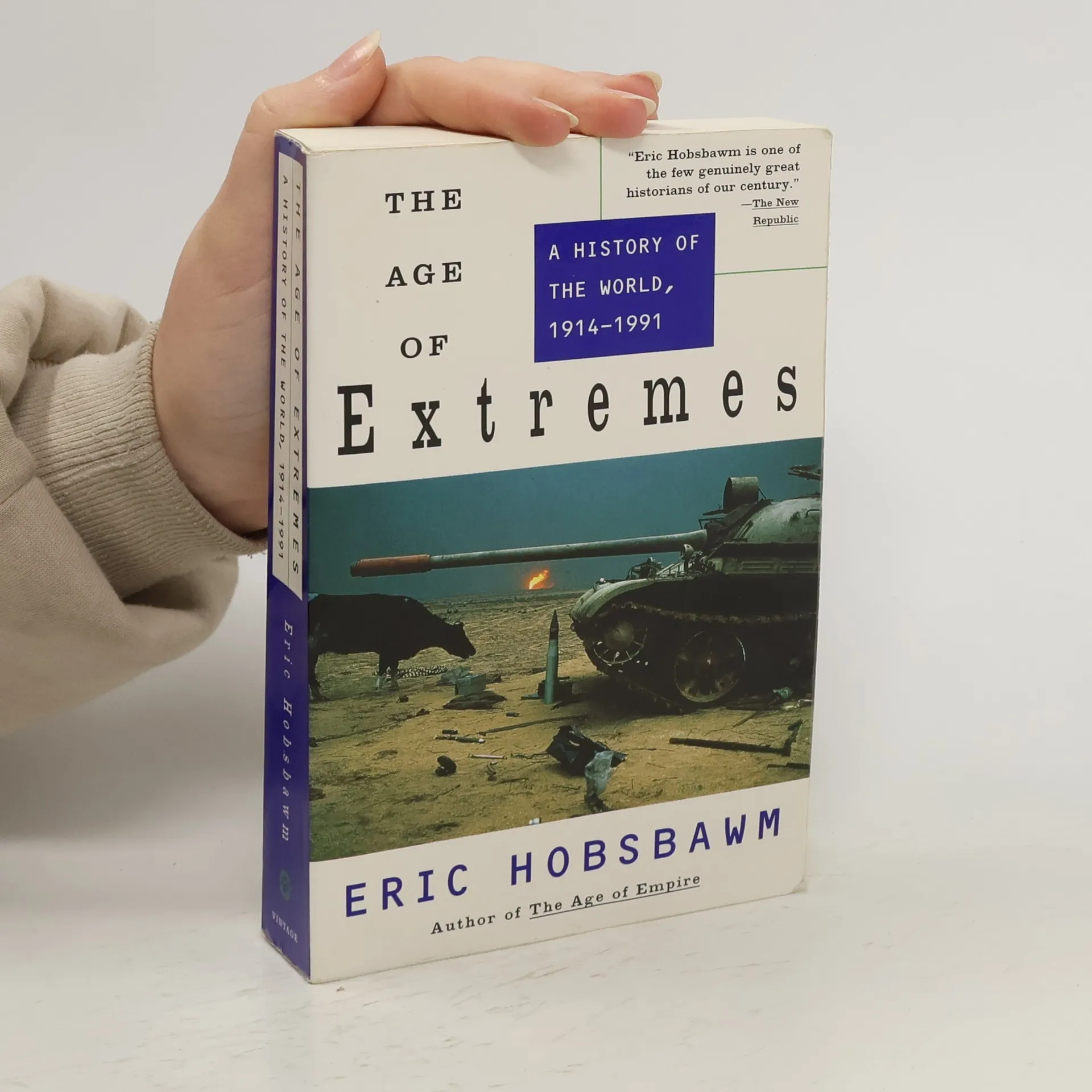
The book explores the 20th century by dividing it into three distinct periods: the Age of Catastrophe, the Golden Age, and the Landslide. Hobsbawm utilizes extensive data to provide a comprehensive and insightful analysis of these eras, highlighting their unique characteristics and impacts on modern history. This work stands alongside his renowned classics, offering readers a rich and vibrant understanding of the century's transformative events and trends.